


February is Responsible Pet Owners Month, a time dedicated to celebrating the people who go above and beyond to keep their pets healthy, happy, and safe. It's also a great time for pet caregivers to encourage best practices that strengthen the human–animal bond and keep animals safe and comfortable.
Responsible pet ownership doesn’t just benefit individual pets and families. It creates healthier communities, builds trust between pet parents and professionals, and raises the standard of care across the entire pet care industry. For pet-care businesses—boarding facilities, groomers, trainers, veterinarians, and daycare providers—this month is also an opportunity to reflect on how your services, systems, and communication can actively support and reinforce responsible pet care.
Let’s take a closer look at what responsible pet ownership really means today and how pet-care pros can play a meaningful role in encouraging it.
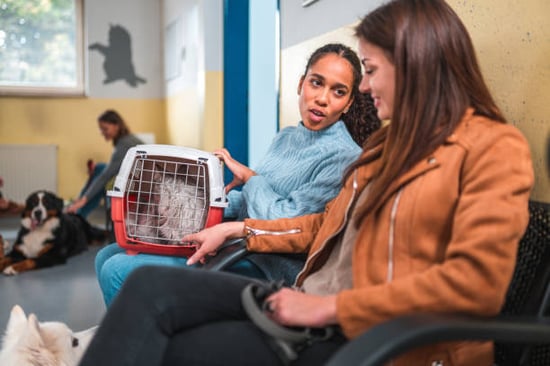
What Does Responsible Pet Ownership Really Mean?
At its core, responsible pet ownership is about commitment. It means understanding that bringing a pet into your life is a long-term responsibility that requires time, resources, patience, and education.
While every pet and household is different, responsible ownership generally includes:
- Providing proper veterinary care
- Maintaining vaccinations and preventive treatments
- Ensuring training, socialization, and enrichment
- Communicating openly with pet care professionals
- Planning ahead for emergencies, travel, and aging pets
When these pieces come together, pets are healthier, behavior issues are reduced, and pet parents feel more confident and supported.
Best Practices Every Responsible Pet Parent Should Follow
1. Regular Veterinary Visits
Routine vet visits are one of the most important—and sometimes overlooked—elements of responsible pet ownership. Annual (or biannual) checkups help catch health concerns early, monitor changes over time, and ensure pets are receiving appropriate preventive care.
For puppies, kittens, seniors, and pets with chronic conditions, consistent veterinary oversight is especially critical. Preventive care not only improves quality of life but can also reduce long-term healthcare costs for pet parents.
2. Up-to-Date Vaccinations and Preventive Care
Vaccinations protect pets from serious, sometimes fatal diseases—and they help protect other animals in the community as well. Flea, tick, and heartworm prevention are equally essential, even for pets that spend most of their time indoors.
Responsible pet parents stay informed about recommended vaccines and treatments and keep records up to date. This is particularly important for pets who attend daycare, boarding, grooming, or training services, where health standards help keep everyone safe.
3. Training, Socialization, and Mental Enrichment
Training isn’t just about obedience—it’s about communication, safety, and confidence. Well-trained pets are less likely to develop behavior issues, experience stress in new environments, or put themselves in dangerous situations.
Socialization and enrichment also play a major role in a pet’s mental health. Walks, playtime, puzzle toys, group activities, and positive exposure to new experiences all help pets stay balanced and engaged.
Responsible owners understand that mental stimulation is just as important as physical exercise.
4. Clear Communication with Pet-Care Providers
Open, honest communication between pet parents and pet care professionals is essential. Sharing information about a pet’s health history, behavior, medications, allergies, and preferences allows providers to deliver safer, more personalized care.
Responsible pet parents ask questions, read policies, follow guidelines, and view pet care businesses as partners—not just service providers.

How Pet-Care Businesses Can Encourage Responsible Ownership
While pet parents ultimately make decisions for their pets, pet care businesses are uniquely positioned to educate, remind, and support clients in a positive, non-judgmental way.
Here’s how.
1. Use Gentle Education, Not Pressure
Pet parents are far more receptive to guidance when it’s framed as support rather than criticism. Small educational moments—whether through onboarding materials, confirmation emails, signage, or social media—can make a big impact.
Examples include:
- Explaining why vaccination policies exist
- Sharing seasonal reminders about parasite prevention
- Offering tips for reducing stress during grooming or boarding
The goal isn’t to lecture, it’s to empower.
2. Build Clear Policies (and Communicate Them Well)
Clear policies around vaccinations, health requirements, training expectations, and behavior standards protect pets, staff, and clients alike. When these policies are communicated clearly and consistently, they help normalize responsible practices.
Using management software to store vaccination records, flag expirations, and require documentation before bookings removes friction and keeps expectations transparent for everyone.
3. Leverage Systems and Automated Reminders
One of the simplest ways businesses can encourage responsible pet ownership is through timely reminders.
Automated systems can:
- Notify clients when vaccinations are about to expire
- Send reminders for upcoming appointments
- Share follow-up care instructions after visits
- Prompt pet parents to update pet profiles and health information
These small nudges reduce stress for pet parents and help prevent last-minute cancellations or service disruptions.
4. Make It Easy to Do the Right Thing
Responsible pet ownership is much easier when systems are intuitive and accessible. Online booking, digital forms, stored pet profiles, and centralized communication all help pet parents stay organized and informed.
When clients don’t have to dig through emails or paperwork to find what they need, they’re more likely to stay compliant and engaged.
5. Foster a Partnership Mindset
The strongest pet-care businesses position themselves as partners in a pet’s well-being, not just service providers. This mindset shows up in how staff communicate, how policies are framed, and how concerns are handled.
When businesses listen, educate, and collaborate with pet parents, trust grows—and responsible behavior becomes a shared goal rather than a requirement.

Why Responsible Pet Ownership Benefits Everyone
Encouraging responsible pet ownership isn’t just good ethics—it’s good business.
Pets who are healthy, trained, and well-socialized:
- Experience less stress during services
- Require fewer emergency interventions
- Are safer for staff and other animals
- Build longer-term relationships with care providers
For pet-care businesses, this means smoother operations, stronger client loyalty, and a more positive workplace culture.
Celebrating Responsible Human Companions and Their Pets This February
Responsible Pet Owners Month is the perfect time to recognize the pet parents who put in the effort every day—and to reaffirm your business’s commitment to supporting them.
Whether it’s through education, thoughtful policies, or smart systems that simplify care, pet-care businesses play a powerful role in shaping healthier habits and better outcomes for pets everywhere.
Because when responsible clients and supportive businesses work together, everyone wins—especially the pets.
Get the pet-care business software that makes communication and care easier. Try Revelation Pets free for 14 days!
Share this article