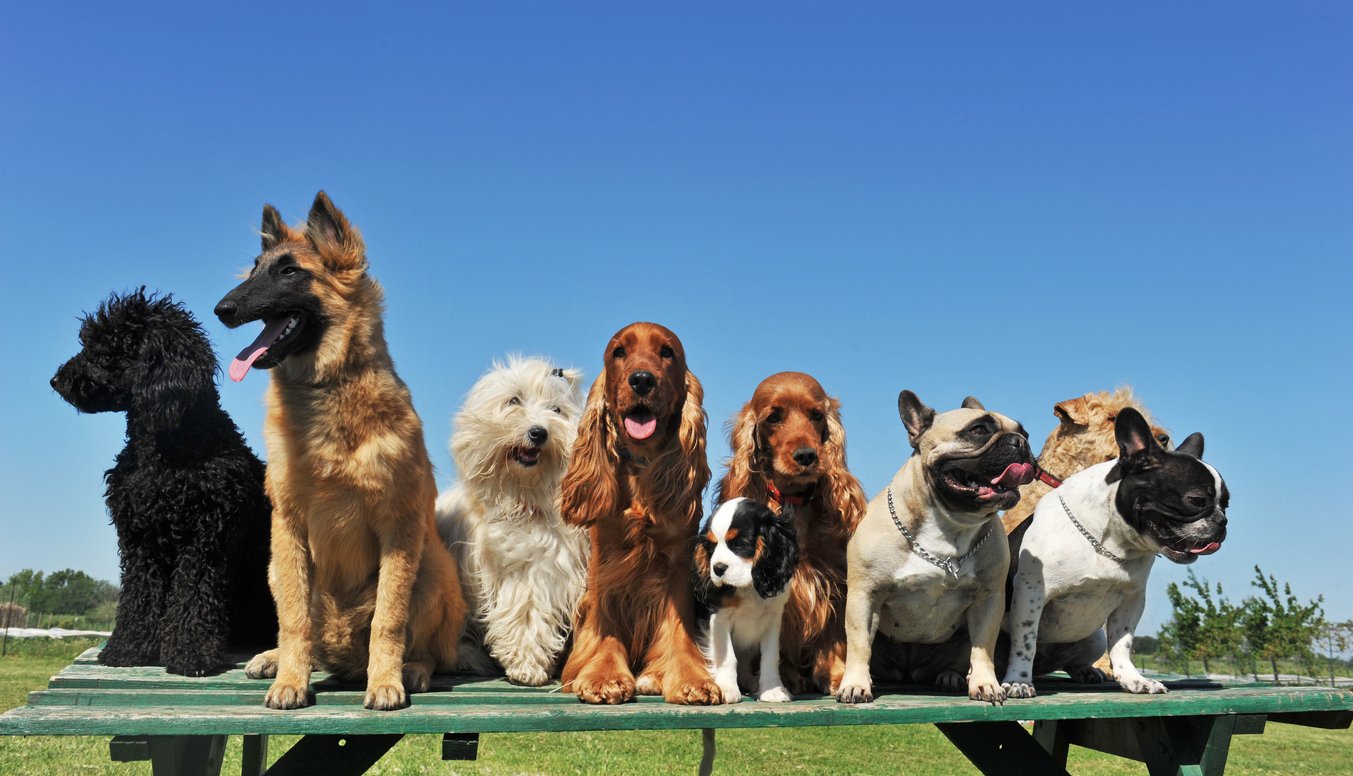


Dog grooming is not just about maintaining your canine companion's level of cleanliness, and it is not just about keeping your dog good-looking. Grooming is about maintaining your dog’s physical health and appearance.
When it comes to running a successful grooming business, understanding dog grooming essentials is key—not just for keeping dogs looking their best, but for maintaining their overall health and hygiene. Pet grooming, as a professional service, involves specialized tools, products, and techniques designed to improve a pet’s appearance and well-being. For dog grooming businesses, conveying these essentials to clients is crucial. Here’s a comprehensive guide on Dog Grooming 101, covering the essential steps, tools, and products every groomer should know.
Understanding the Basics of Dog Grooming
1. Brushing
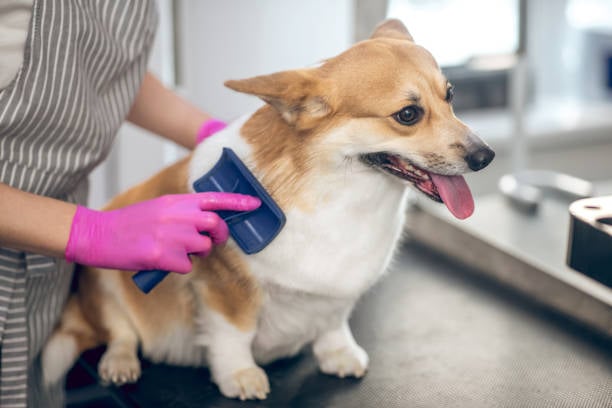
Regular brushing removes excess hair, mats, tangles, and loose hair. It’s vital for all dogs, regardless of their coat type. Brushing also helps to distribute natural oils in the dog’s fur, promoting a healthy, shiny coat. A slicker brush is essential for removing mats, tangles, and loose fur, making it especially useful for fluffy breeds like Doodles and Goldens. Using a grooming comb helps to detangle fur and maintain coat health, particularly in sensitive areas like ears and legs, and is effective for addressing tangles before they become mats.
Grooming Tools Needed:
- Slicker brushes
- Rakes
- Bristle brushes
- Pin brushes
- Combs
2. Bathing
Bathing, or bath time, helps to keep your dog’s coat clean and free from dirt and parasites. Always use a dog-specific shampoo, as products formulated for dogs are crucial to avoid skin irritation and ensure safe grooming practices—especially for pets with sensitive skin.
Choosing the right shampoo supports healthy skin and coat and helps avoid irritation from harsh chemicals. During bath time, using a curry brush can make the wash more effective by providing deep cleaning and shedding control. For quick clean-ups between baths, grooming wipes offer a convenient and portable solution to maintain your dog’s hygiene and freshness.
Tools Needed:
- Dog shampoo and conditioner (choose formulas for sensitive skin if needed)
- Curry brush
- Grooming wipes
- Bathtub or grooming tub
- Towels
- Hairdryer (optional)
3. Nail Trimming
Long nails can cause discomfort and even lead to skeletal damage. Regular nail trimming is necessary to maintain your dog’s paw health. Using a nail grinder as an alternative to traditional nail clippers offers greater precision and safety, allowing you to trim and smooth your dog’s nails with better control and less risk of injury.
Tools Needed:
- Nail clippers or nail grinder (for precision and safety)
- Styptic powder (essential for stopping bleeding if you accidentally cut the quick)
4. Ear Cleaning
This is crucial for preventing infections, especially in breeds with floppy ears. Use a gentle ear cleaner and cotton balls to clean the ears.
Tools Needed:
- Gentle ear cleaning solution formulated for dogs
- Cotton balls or gauze
5. Dental Care
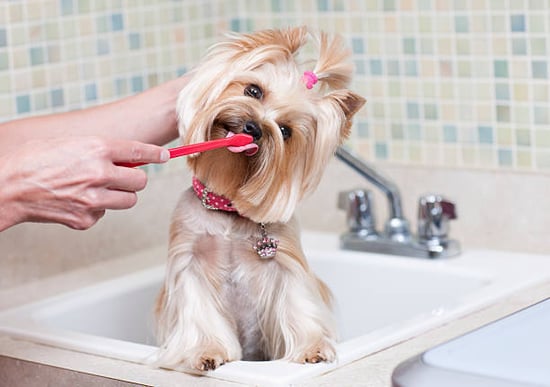
Good oral hygiene is essential for preventing dental diseases. Regular teeth cleaning with a dog-specific toothbrush and toothpaste is recommended.
Tools Needed:
- Dog toothbrush
- Dog toothpaste
6. Hair Trimming
For dogs with fast-growing or long hair, regular trimming is necessary to avoid matting and overheating. Electric clippers with standard blades and wide blades are dog grooming essentials for full-body grooming and for trimming hair around sensitive areas like paws and eyes. Choosing the right blades for different grooming tasks and coat types ensures effective and safe results.
Wide blades are now a standard feature in professional dog grooming tools, offering efficiency and versatility, while standard blades remain a reliable choice for various coat types. De-shedding tools are also crucial for double-coated breeds to help remove shedding undercoat and maintain coat health.
Tools Needed:
- Electric clippers with standard and wide blades
- Scissors
- Grooming shears
- De-shedding tools
Advanced Pet Grooming Techniques for Professional Results
Once you’ve mastered the basics of dog grooming, incorporating more advanced techniques can elevate the quality of your services and set your business apart from competitors. These techniques not only enhance a dog’s appearance but also improve efficiency and safety during grooming sessions.
De-Matting and Coat Restoration
Matting can be one of the most challenging issues groomers face, especially with long-haired or curly-coated breeds. Severe mats can pull on the skin, causing discomfort and even leading to skin infections if left untreated. Using a combination of de-matting tools, conditioners, and proper technique is essential.
Start by applying a de-matting spray or conditioning treatment to loosen the tangles. Then, gently work through the mat using a slicker brush or de-matting comb, always holding the base of the fur close to the skin to minimize pulling. In extreme cases, shaving may be the most humane option to prevent pain or injury.
Breed-Specific Grooming Styles
Different breeds have distinct grooming standards that influence how their coat should be cut and styled. For example, Poodles often require precise, stylized clips, while breeds like Schnauzers have signature cuts that define their appearance. Understanding these breed-specific requirements allows groomers to deliver professional, polished results that meet client expectations.
Investing time in learning breed standards and staying updated with grooming trends can help you offer specialized services that appeal to a wider range of pet owners.
Hand-Stripping
Hand-stripping is a specialized grooming technique used for wire-coated breeds such as Terriers. Instead of clipping, which can soften the coat, hand-stripping removes dead hair from the root to maintain the coat’s natural texture and color.
While it requires skill and patience, this method is highly valued by pet parents who want to preserve the traditional look and health of their dog’s coat. Offering hand-stripping as a premium service can also increase your business’s revenue potential.
Finishing Touches
The final stage of grooming is all about the details. Trimming around the eyes, shaping the paws, and ensuring symmetry throughout the coat can make a significant difference in the overall presentation. Finishing sprays or light conditioners can add shine and leave the coat looking fresh and well-maintained.
Additionally, adding a bandana, bow, or light fragrance (pet-safe, of course) can enhance the customer experience and leave a lasting impression.
Handling Difficult or Anxious Dogs
Not every dog will enjoy the grooming process, and some may exhibit anxiety, fear, or even aggression. Knowing how to handle these situations safely and compassionately is a critical skill for any groomer.
Start by observing the dog’s body language. Signs of stress—such as panting, trembling, or avoidance—should be addressed early. Using calming techniques like slow movements, soft vocal reassurance, and breaks can help ease anxiety. Tools like grooming loops and non-slip mats provide added security without causing distress.
For particularly challenging dogs, shorter sessions or gradual desensitization over multiple visits can make grooming more manageable. Building trust with both the pet and the owner is key to long-term success.
Maintaining Hygiene and Sanitation Standards
A clean grooming environment is essential for both the safety of the pets and the professionalism of your business. Grooming tools should be sanitized after each use to prevent the spread of bacteria, fungi, or parasites.
Clipper blades and scissors should be disinfected regularly, and towels should be washed after every appointment. Grooming tubs and tables should also be cleaned thoroughly between dogs. Maintaining high sanitation standards not only protects pets but also reassures clients that their animals are in safe hands.
In addition, groomers should practice personal hygiene, including washing hands frequently and wearing appropriate protective gear when necessary. This becomes especially important when handling dogs with skin conditions or parasites.
Time Management and Workflow Optimization
Efficiency is a crucial component of running a successful grooming business. Developing a consistent workflow—from check-in to grooming to check-out—helps streamline operations and reduce wait times for clients.
Organizing tools within easy reach, prepping supplies in advance, and scheduling appointments strategically can significantly improve productivity. For example, grouping similar coat types or services together can minimize setup time and increase efficiency.
Using digital scheduling and management tools can further simplify operations, allowing you to track appointments, manage client information, and send reminders automatically.
Building Strong Client Relationships
Beyond technical skills, successful grooming businesses thrive on strong relationships with pet owners. Clear communication is essential—discuss the dog’s needs, preferences, and any health concerns before starting the grooming session.
After the appointment, provide feedback on the dog’s behavior, coat condition, and any recommendations for at-home care. This not only builds trust but also positions you as a knowledgeable and reliable professional.
Loyalty programs, follow-up messages, and personalized service can help retain clients and encourage repeat business. Happy customers are also more likely to refer your services to others, helping your business grow organically.
Staying Updated with Industry Trends & Grooming Products
The pet-care industry is constantly evolving, with new tools, products, and techniques emerging regularly. Staying informed about these trends can help you remain competitive and provide the best possible service.
Attending grooming workshops, certifications, and industry events can expand your knowledge and skills. Online communities and professional networks are also valuable resources for learning and sharing experiences with other groomers.
Incorporating modern practices—such as eco-friendly products, low-stress handling techniques, and advanced grooming tools—can further enhance your offerings and appeal to today’s pet owners.
Providing Comfort and Safety
- Create a Safe Environment: Ensure the grooming area is secure and comfortable for the dog. Using a grooming table and arm helps facilitate safer and more comfortable grooming for both pets and groomers, providing stability and control during the process.
- Accessories like happy hoodies and the Happy Hoodie are also valuable dog grooming essentials, as they act as calming, sound-reducing solutions to protect pets' hearing and reduce anxiety caused by loud grooming equipment such as blow dryers.
- These washable, comfortable accessories are suitable for various pet sizes and help keep animals relaxed throughout the grooming session, whether you operate in a salon or are offering mobile grooming services.
- Gentle Handling: Always handle dogs gently and reassuringly to reduce stress and anxiety.
- Regular Breaks: Give the dog breaks during grooming sessions, especially if they are anxious or elderly.
Educating Pet Parents
As a grooming business, part of your responsibility is educating pet owners about the importance of regular grooming. This includes, and also ties into, how you differentiate and brand your pet-care business in a competitive market:
- The benefits of regular grooming: Explain how grooming not only keeps their dog looking great but also contributes to their overall health. Consistent grooming can make a real difference by helping detect health issues early, such as skin irritations, lumps, or parasites, allowing for timely veterinary care and improving a dog's comfort, especially when you pair regular care with eco-friendly grooming practices that are gentle on both pets and the planet.
- Personalized Grooming Routines: Provide recommendations based on their dog’s breed, age, and health, drawing on breed-specific grooming guidelines to tailor your approach.
- At-Home Care Tips: Offer tips for maintaining their dog’s coat, nails, and teeth between professional grooming sessions. Encourage at home grooming for pet owners, as it helps maintain pet health, strengthens the bond between owner and pet, and prepares dogs for professional grooming visits, whether they own dogs or are preparing a cat for their first grooming appointment.

How Professional Groomers Can be Set Up for Success
Proper grooming technique is both an art and a science, requiring a balance of skilled expertise, patience, and genuine care for animals. By mastering essential steps, investing in the right tools, and continuously improving your skills, you can deliver exceptional grooming experiences that benefit both pets and their owners.
Whether you’re just starting out or looking to refine your services, focusing on quality, safety, and client education will always set you apart. In a growing and competitive industry, those who prioritize the well-being of pets and the satisfaction of their owners will always come out ahead.
Dog grooming is an essential aspect of pet care that contributes significantly to a dog’s overall health and well-being. By understanding and utilizing the right tools and techniques, dog grooming businesses can provide top-notch services and educate owners on the best practices for their pets, especially when supported by pet-care business management softwarethat streamlines day-to-day operations. Remember, a well-groomed dog is a beautiful companion and a happy and healthy one, too!
Happy Grooming!
Start a free trial with Revelation Pets to see how much easie
Share this article