


The days of concrete-and-chain-link runs where dogs waited out their owner’s vacation are fading fast. Today’s pet boarding kennel looks more like a boutique hotel than a holding facility, with climate-controlled suites, enrichment programs, and daily photo updates that keep every pet parent connected to their fur baby.
With the global dog boarding services market reaching $5.00 billion in 2025 and projected to hit $8.96 billion by 2033, the demand for trustworthy pet boarding has never been higher. The rise is driven by increased travel, hybrid work arrangements, and pet parents who refuse to settle for basic supervision. Benchmarks on how much a pet-boarding business can make show just how financially significant this growing demand can be.
This guide is for small pet care businesses worldwide, whether you run a grooming salon, dog daycare, training center, or existing boarding operation. The goal is to help you build or refine boarding services that meet rising global standards while creating sustainable revenue streams.
We’ll cover the essentials: health and safety protocols, facility design, daily routines, staff training, and value-added services like grooming, training, and veterinary care.
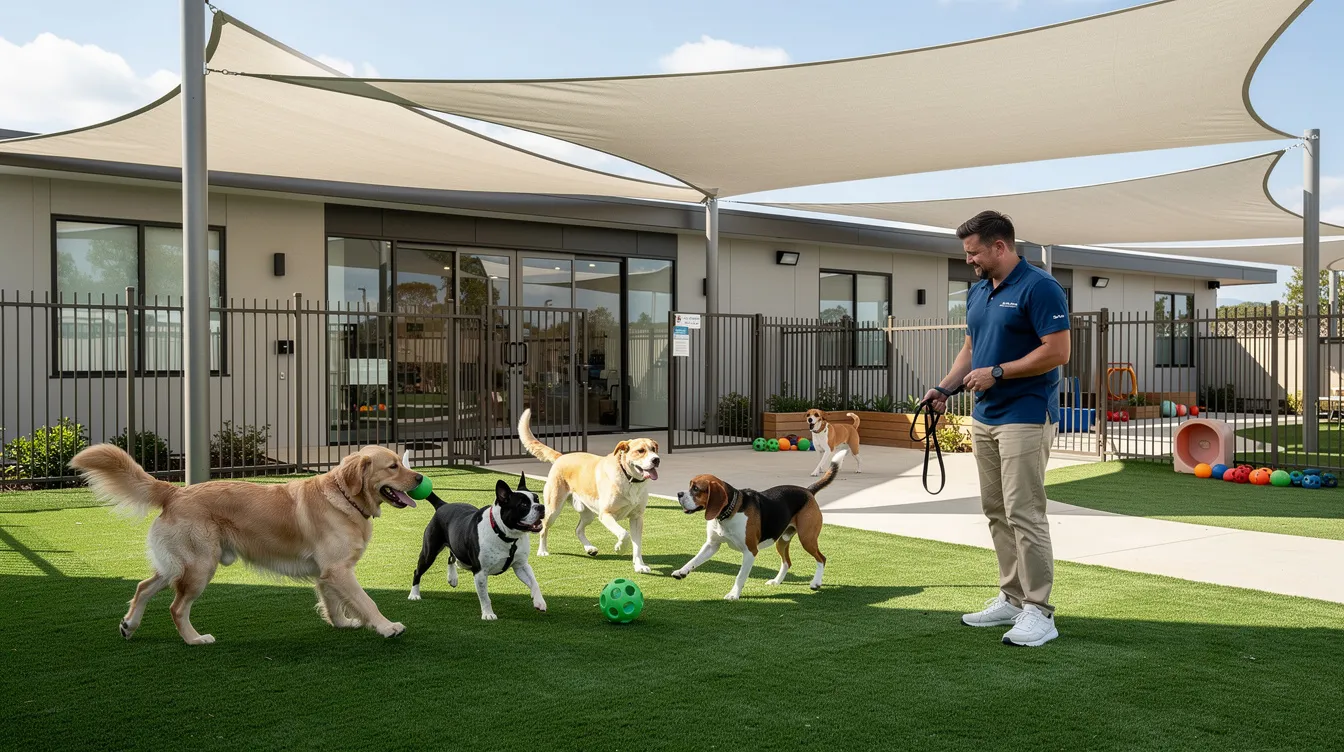
What Is a Pet Boarding Kennel Today?
A pet boarding kennel in 2026 means far more than simple overnight accommodations. It’s a combination of structured care, engaging daytime activity, and personalized attention tailored to each animal’s temperament and needs. Most facilities primarily serve dogs and cats, though some also accommodate small mammals or birds.
The evolution from traditional setups to modern operations includes:
- Traditional indoor runs with separate sleeping and elimination areas
- Indoor/outdoor runs connected by private doggy doors for freedom of movement
- Individual cat condos featuring vertical climbing space and window perches
- Premium suites with glass fronts, soft bedding, and ambient lighting
- Open-play boarding integrated with daycare for social dogs, drawing on different types of dog daycare services to match each pet’s needs
- Farm-style or resort settings with natural outdoor access
For business owners, terminology matters. A basic “boarding kennel” suggests utilitarian care, while “pet hotel” or “pet resort” signals luxury and justifies premium pricing. Your branding directly influences perceived value. Facilities emphasizing individualized care, enrichment, and transparency can command higher rates than volume-driven operations.
Health, Safety, and Veterinary Protocols
Robust health and safety standards form the non-negotiable foundation of any boarding operation. Without them, a single illness outbreak can destroy your reputation and expose you to significant liability.
Vaccination Requirements
Require proof of current vaccinations before any pet’s stay. Common global core vaccines include:
- Dogs: Rabies (within 1-3 years depending on local law), Distemper/Parvo combo (DHPP), and Bordetella for kennel cough
- Cats: FVRCP (feline viral rhinotracheitis, calicivirus, panleukopenia) and Rabies
Insist on annual updates and build a system to track expiration dates. Rejecting an unvaccinated pet is far easier than managing a disease outbreak.
Pre-Arrival Health Screening
Implement intake questionnaires that cover:
- Chronic illnesses or ongoing medications
- Recent vomiting, diarrhea, or coughing
- Any surgery within the past 30 days
- Current flea and tick prevention status
- Known contagious conditions or recent exposure
Daily Monitoring
Trained staff should check each guest multiple times daily, documenting appetite, stool quality, energy level, mobility, and behavior changes. Simple digital or paper logs create accountability and help identify illness early.
Emergency Procedures
Document a clear protocol specifying when to call the pet parent, when to contact your on-call vet, and when to transport to a 24-hour clinic. Include financial authorization limits agreed upon at check-in so staff can act quickly without hesitation.
Environmental Health
Maintain daily sanitation of rooms, bowls, bedding, and play areas using pet-safe disinfectants. Good ventilation is essential. Optional upgrades like HEPA filtration or UV air purification can differentiate your facility and reduce airborne illness transmission.
Facility Design: Kennels, Suites, and Play Areas
Thoughtful facility design directly impacts animal welfare, staff efficiency, and client perception. A clean, well-organized space signals professionalism and justifies premium pricing, while a cramped or chaotic layout creates stress for animals and staff alike.
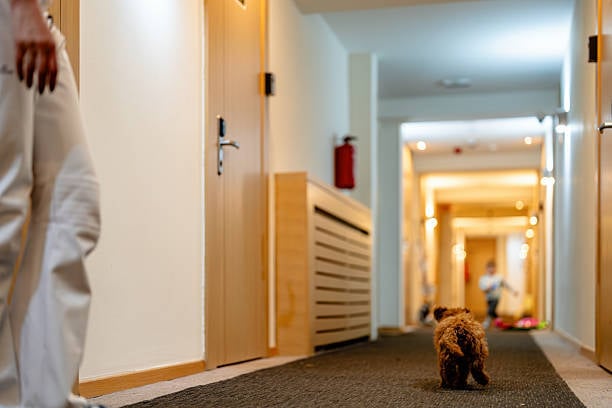
Housing Types
Different pets deserve different accommodations:
- Traditional indoor runs sized appropriately (e.g., 22”x18”x18” minimum for toys under 15 lbs, scaling to 72”x72”x60” for extra-large breeds over 100 lbs)
- Indoor/outdoor runs with private doggy doors allowing free roam between climate-controlled indoor space and covered outdoor areas
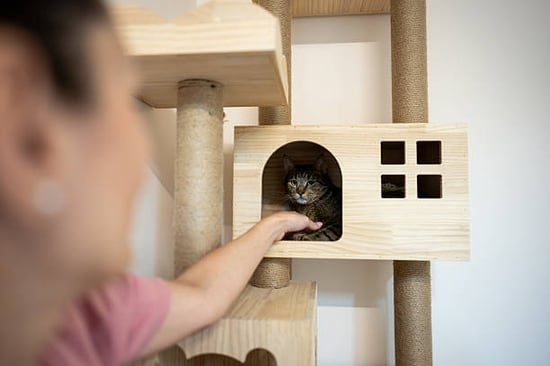
- Individual cat condos with vertical elements, hiding spots, and window perches
- Premium suites with glass fronts for visibility, elevated bedding, and calming ambient elements
Climate Control
Adapt to your region:
- Air-conditioned suites in hot climates
- Heated floors or warming pads in colder areas
- Shaded outdoor canopies and covered walkways
- Misters or splash pools for summer enrichment
Zoning for Cat Boarding and Dog Boarding
Separate areas prevent stress and improve safety:
- Distinct dog and cat zones (cats need quiet, vertical spaces away from barking)
- Quiet areas for seniors, anxious animals, or those needing extended rest
- Isolation space for suspected illness
- Size and temperament-based playrooms for group activity
Outdoor and Enrichment Elements
Well-designed outdoor areas include synthetic turf or well-drained grass, secure fencing (sturdy and height-adjusted per breed), shaded canopies, and optional features like safe, engaging dog runs with agility equipment or splash pools for fun.
Operational Details
- Durable, easy-to-clean surfaces throughout
- Sound dampening to reduce barking stress
- Secure, locked storage for food, medication, and cleaning chemicals
- Fire extinguishers and smoke alarms per local codes
Daily Routine and Pet Experience
A predictable schedule reduces stress for boarded pets and supports efficient staffing. Dogs and cats thrive on routine—it helps them sleep better, eat more consistently, and exhibit fewer anxiety behaviors, especially when owners have prepared their dog for their first boarding experience before arrival.
Sample Daily Schedule
|
Time |
Activity |
|---|---|
|
7:00 a.m. |
First potty breaks and morning health checks |
|
7:30-9:00 a.m. |
Breakfast service and medication rounds |
|
9:00 a.m.-12:00 p.m. |
Group play or individual walks/exercise |
|
12:00-2:00 p.m. |
Rest and nap time with quiet music or white noise |
|
2:00-5:00 p.m. |
Afternoon play, enrichment sessions, or training add-ons |
|
5:00-7:00 p.m. |
Dinner, final medications, and evening walks |
|
9:00-10:00 p.m. |
Last potty break and lights down |
|
|
Routine Variations
Adjust schedules based on individual boarding needs:
- Senior dogs may need longer rest periods and shorter, gentler exercise
- High-energy pups benefit from extended play and additional yard time
- Cats prefer quieter activity times, vertical climbing, window perches, and minimal handling
- Long-term or extended stay guests may need rotation through different enrichment activities to prevent boredom
Enrichment Options
Go beyond basic care with puzzle feeders, scent games, cuddle time, brain games, and optional “playcation”-style full day daycare for social dogs who want to socialize with friends.
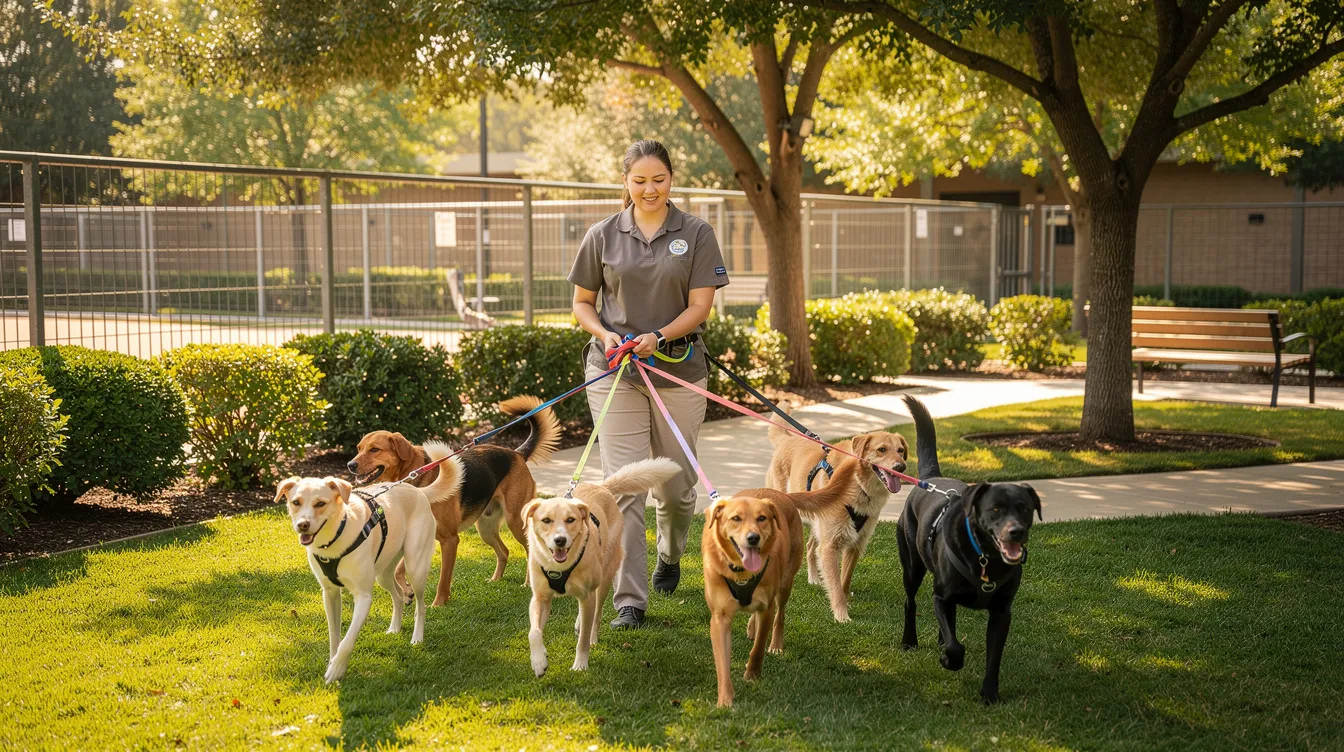
Communication Touchpoints
Pet parents want to watch their animals thrive, not just hear that everything is “fine.” Consider:
- Daily updates noting meals, activity, and mood
- Pictures or short video clips sent via app or text
- Optional live webcams so owners can check in during a business trip or vacation
- Scheduled check-in calls for anxious first-time clients
Staff Training, Behavior Assessments, and Group Play
Well-trained staff are the heart of any safe, successful pet boarding kennel. Your team’s expertise determines whether animals feel secure and whether incidents get prevented before they escalate, which is why training your staff for success in pet care should be an ongoing priority.
Essential Training Topics
- Canine and feline body language (stress signals like lip licking, yawning, whale eye, avoidance)
- Safe handling and leash skills
- Bite prevention and de-escalation techniques
- Basic first aid and CPR for animals
- Emergency response procedures
- Sanitation protocols and disease prevention
Intake and Meet & Greet Process
Before any dog joins open group play, conduct a temperament evaluation covering:
- Response to strangers and other dogs
- Play style (rough, gentle, chase-oriented, independent)
- Resource guarding tendencies with food and toys
- Comfort level with crate or suite time alone
This assessment helps you plan appropriate groupings and identify animals that may need individual attention rather than open play.
Group Play Guidelines
- Match dogs by size, play style, age, and temperament,
- Not just size
- Maintain active supervision with staff moving and interacting
- Not just watching from the sidelines
- Follow ratio guidelines
- e.g., one staff member per 10–15 dogs, adjusted based on local regulations and your facility’s risk tolerance
- Enforce mandatory breaks from play
- Prevent overstimulation and exhaustion
- Never force interaction
- Some animals deserve quieter, individual enrichment
Cat-Specific Considerations
Cats typically do not participate in group play with non-household cats. Focus instead on individual enrichment, low-stress handling, and providing vertical space, hiding spots, and window access for mental stimulation.
Additional Revenue Streams: Daycare, Grooming, Training, and Veterinary Care
Integrated services transform a basic boarding kennel into a full-service pet care center, improving revenue per client and boosting retention. When a pet parent can book boarding, grooming, and training in one location, you become their default choice for everything, and thoughtful cross-selling and upselling for dog boarding businesses can further increase the value of each stay.
Pet Daycare
- Integrate structured doggy day camp or open play for boarding dogs during daytime hours
- Offer half-day and full day options for local clients
- Create trial days for first-time visitors to assess fit
- Develop daycare packages that encourage repeat visits
Dog Grooming
- Offer go-home baths, nail trims, and light tidy-ups for boarding pets
- Partner with or hire professional groomers using safe practices
- Avoid risky equipment like heated cage dryers
- Position grooming as a treat for animals returning home clean and fresh
Training
- Develop board-and-train programs with clear curricula (basic obedience, learn manners, leash skills)
- Use certified trainers employing positive, evidence-based methods
- Schedule owner handover sessions so the pet parent understands how to maintain training at home
- Offer add-on training sessions during boarding stays
Veterinary Care
- Establish relationships with on-site vet partners, regularly visiting vets, or local clinics for referrals
- Consider annual wellness plans or basic exams before long-term stays
- Train and insure staff to handle simple medical boarding (oral medications, insulin injections)
- Position comprehensive care capabilities as a differentiator for pets with specific needs
Cross-Marketing Strategies
Implementing smart cost-efficient practices in dog boarding alongside these revenue strategies helps you grow without sacrificing quality of care.
- Bundle services (boarding + bath, boarding + training sessions)
- Create loyalty programs rewarding frequent visits
- Run seasonal promotions around holidays and school breaks when demand peaks
- Make it easy to book multiple services in one visit

Policies, Pricing, and Client Communication
Clear policies and professional communication build trust and reduce misunderstandings. When expectations are documented upfront, disputes become rare and client relationships stay positive.
Policy Essentials
- Vaccination requirements and documentation deadlines
- Flea and tick prevention protocols
- Medication administration fees
- Late pickup charges
- Cancellation windows and fees
- Holiday surcharges
- Rules on what owners can bring (food, bedding, toys)
Food and Feeding
Recommend that owners bring their own food to avoid digestive upset—switching food suddenly can cause stomach issues. Keep in-house food available as a backup, and create a written feeding schedule agreed upon at check-in noting meals, portions, and any fed restrictions.
Pricing Models
|
Model |
Description |
|---|---|
|
Per-night rates |
Standard pricing for each overnight stay |
|
Multi-night discounts |
Reduced rates for extended stay bookings |
|
Peak-season pricing |
Higher rates during holidays and high-demand periods |
|
Add-on fees |
Extra charges for additional walks, one-on-one play, senior care, or medication administration |
|
|
Communication Tools
- Online kennel and boarding software that makes it a breeze to schedule
- Automated reminders before arrival date
- Digital check-in and check-out forms
- “Pawgress” reports with photos and activity summaries
- Optional live webcams or activity trackers
Post-Stay Guidance
Prepare clients for the transition home by noting:
- Expect increased thirst and hunger initially
- Normal post-stay tiredness from activity and stimulation
- When to call if something seems off (persistent lethargy, vomiting, refusal to eat)
Don’t forget to follow up after each visit. A quick message asking how the pet is settling back in shows you care beyond the transaction.
Building a Trusted Pet Boarding Kennel Brand
A successful pet boarding kennel combines robust health protocols, trained staff, thoughtful facility design, and transparent communication. These elements work together to create an environment where animals feel safe and pet parents feel confident leaving their family members in your care.
Audit your current facility and procedures against the standards outlined in this guide. Identify gaps that directly impact animal welfare and client peace of mind, then prioritize improvements that address those areas first. You don’t need to upgrade everything overnight—focus on safety, then expand from there.

Global standards in pet care continue to rise, and small independent businesses can absolutely compete with larger chains. Your advantage lies in quality over volume, consistency in service, and the personal relationships you build with each pet parent who trusts you with their animals.
In a market projected to approach $9 billion by 2033, there’s plenty of room for businesses that treat every guest like family and prove it through their actions every single day. Want to streamline your bookings, communication, documentation, and more? Try Revelation Pets FREE for 14 days!
Share this article