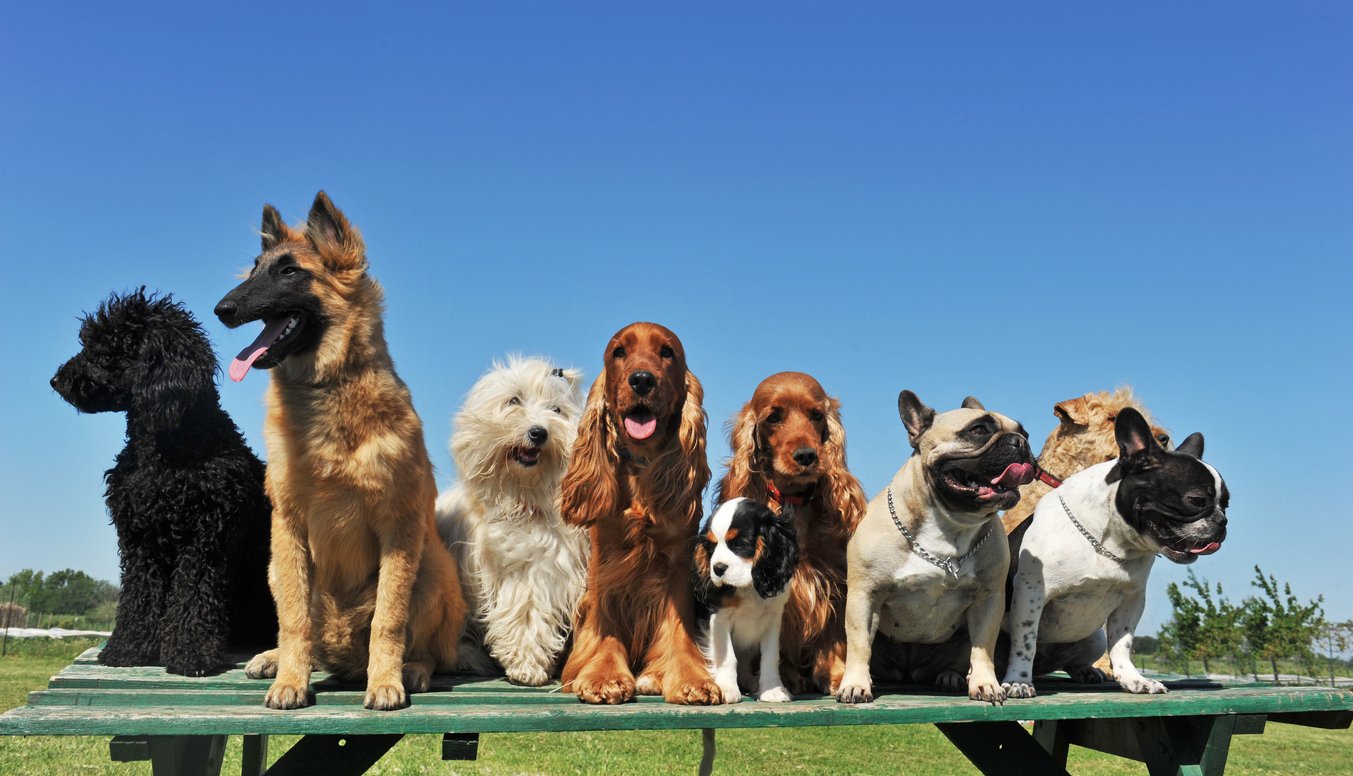


Big personality, distinct ears: Meet the Papillon.
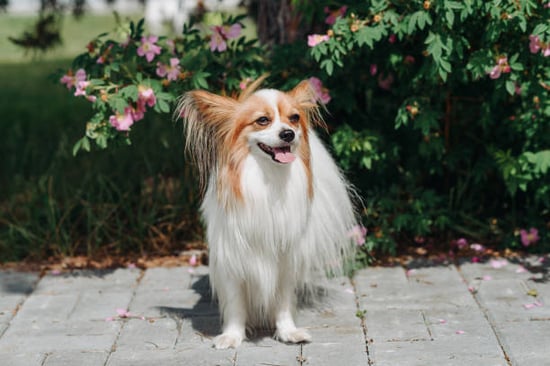
With their signature fringed ears and lively expression, Papillons are hard to miss. The breed’s name means “butterfly” in French, a nod to those elegant, wing-shaped ears that frame their petite faces. Despite their dainty appearance, Papillons are sturdy, spirited little dogs with a history that dates back hundreds of years. They were favorites among European royalty and often appeared in Renaissance paintings, lounging in the laps of queens and noblewomen.
Whether you're a pet parent deciding if this toy breed is the right fit or a pet-care professional looking to better understand the small dogs in your care, we’ll help you get to know the Papillon inside and out.
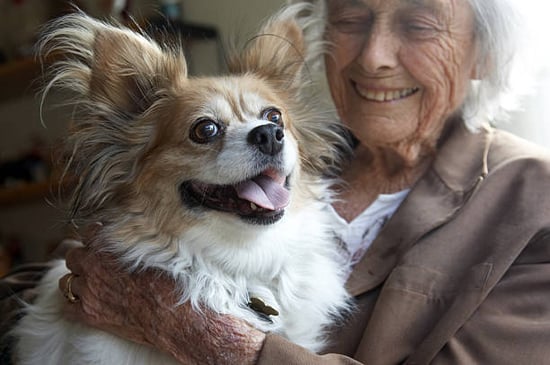
Physical Characteristics of the Papillon
Papillons are a toy breed, typically standing 8-11 inches or 20-27 centimeters tall and weighing between 5-10 pounds or 2.27-4.54 kilos. What they lack in size, they make up for in elegance and charm. Their long, silky coats are most commonly white with patches of color such as black, sable, red, or lemon.
One of their most iconic features is, of course, their ears. Most Papillons have large, upright ears with flowing fringe, giving them that “butterfly” look. There’s also a drop-eared variety called the Phalène, meaning “moth” in French. Their plumed tail arches gracefully over their back, adding to their refined appearance.
Temperament and Intelligence
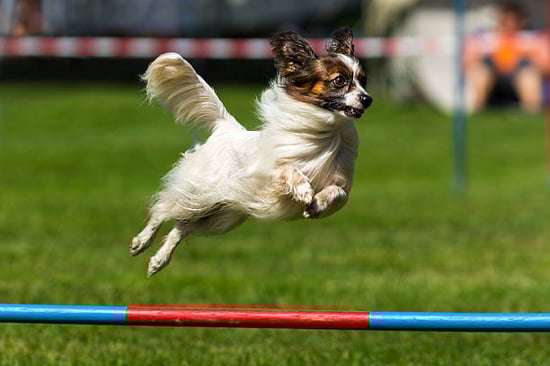
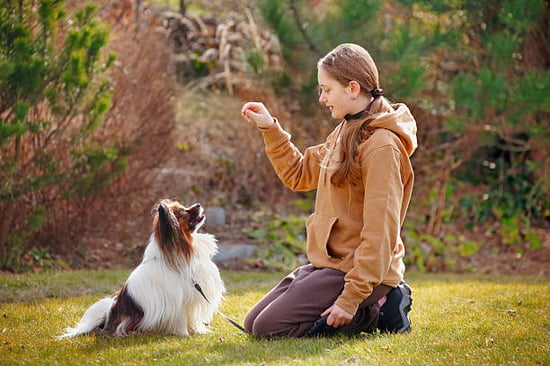
Don’t let their tiny stature fool you: Papillons are incredibly smart and athletic. In fact, they consistently rank among the most intelligent toy breeds. They’re quick learners who thrive in obedience, agility, and trick training. Many Papillons compete (and win!) in dog sports against much larger breeds.
They’re alert, curious, and confident, often acting like a “big dog” in a small body. Papillons form strong bonds with their families and enjoy being involved in daily activities. They tend to be friendly and outgoing, though early socialization helps ensure they’re comfortable around new people and other pets.
Key Traits:
Intelligence: Exceptionally bright and highly trainable.
Temperament: Alert, affectionate, and confident.
Exercise and Grooming Needs
Though small, Papillons are active dogs that benefit from daily exercise. Short walks, interactive play sessions, and mentally stimulating activities keep them happy and well-behaved. Puzzle toys and training games are especially great for this clever breed.
Their silky coat is surprisingly low-maintenance compared to many long-haired breeds. Papillons do not have a heavy undercoat, so matting is less of an issue. Weekly brushing is typically enough to keep their coat looking its best, along with routine ear care (especially important due to their large, fringed ears).
Care Tips:
Exercise: Daily walks and mental enrichment are key.
Grooming: Weekly brushing and regular ear checks.
Health Considerations
Papillons are generally healthy and long-lived, often reaching 14-16 years or more. However, like many small breeds, they can be prone to certain conditions such as patellar luxation (knee issues), dental disease, and occasional eye concerns.
Regular veterinary visits, dental care, and maintaining a healthy weight are essential for keeping Papillons in top shape. Responsible breeders screen for hereditary conditions to help ensure healthy puppies.
Papillon Popularity
Papillons have a pretty global fan club, but they’re especially popular in a few key places.
France & Belgium
No surprise here! Papillons have deep roots in continental Europe. While the breed’s name is French, their development is often linked to both France and Belgium. They were beloved by European royalty, like Marie Antoinette, and that aristocratic history still makes them a point of pride in the region.
United States
Papillons are consistently popular among toy breed enthusiasts in the U.S. They tend to rank mid-range in AKC registrations. They're not the most common toy breed but are far from rare. They’re especially popular with pet parents who want a small dog that’s highly trainable and excels in agility or obedience.
United Kingdom
In the UK, Papillons have a steady following through The Kennel Club. They’re often seen in conformation shows and dog sports, where their intelligence and lively movement really shine.
Japan
Japan has a strong appreciation for small companion breeds, and Papillons fit right in. Their size, elegance, and expressive look make them especially appealing in urban environments.
Overall, Papillons tend to be most popular in countries where:
- Toy breeds are in demand (urban living, smaller homes)
- Dog sports like agility are common
- There’s an appreciation for classic European companion breeds
They’re not as common as breeds like French Bulldogs or Cavaliers, but among people who know dogs? Papillons have a very loyal and enthusiastic following.
In Praise of the Papillon
While every dog breed is beloved for their unique charm, the Papillon is a delightful combination of beauty, brains, and bold spirit. They make wonderful companions for families, seniors, and individuals alike, especially those who want a small dog with a big personality.
Whether dazzling in the agility ring, greeting guests at daycare, or snuggling at home after a busy day, Papillons bring energy and elegance wherever they go.
Caring for a papillon at your dog boarding, daycare, or training facility? Keep track of every pup in your care with Revelation Pets. Try us free for 14 days!
Share this article